Source 200ml glass cosmetic bottle for Daily Use, Gift, and Personal Care
Compare 30 listings for the 200ml glass cosmetic bottle suitable for daily use, gifts, and personal care. Buyers can review specifications like shape, volume, and sealing types from verified Chinese manufacturers.
Key considerations
Products List




Comprehensive Sourcing Guide
200ml Glass Cosmetic Bottle Sourcing Guide
Sourcing 200ml glass cosmetic bottles requires a nuanced understanding of the intersection between material integrity, functional packaging design, and commercial scalability. While the specific keyword highlights a 200ml capacity, market observations indicate that the broader category of glass cosmetic containers often features smaller volumes, such as 50ml, 80ml, and 100ml, with some listings explicitly noting volumes under 100ml. Buyers must therefore verify if the 200ml size is a standard stock item or a custom mold requirement, as this distinction significantly impacts lead times and minimum order quantities (MOQs). The primary material observed in this sector is high-transparency melt glass, which offers superior clarity and chemical resistance compared to alternative materials, making it ideal for premium cosmetic formulations.
The procurement landscape for these items is characterized by a wide range of observed pricing and MOQs, reflecting the diversity of supplier capabilities and product configurations. Prices for glass packaging can vary from nominal unit costs to higher premiums for specialized finishes, while MOQs typically range from 100 to 10,000 pieces, with some suppliers requiring volumes as high as 20,000 pieces for standard runs. This variability necessitates a clear definition of project scale before engaging with suppliers. Additionally, the availability of OEM/ODM services and customization options, such as specific neck sizes and surface treatments, allows brands to tailor packaging to their aesthetic and functional needs, but these customizations often introduce additional complexity into the supply chain.
Product Scope and Observed Listing Signals
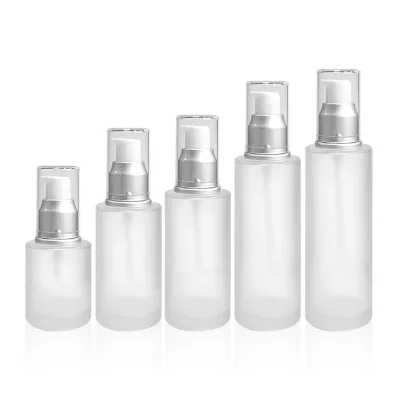
The product scope for glass cosmetic bottles encompasses a variety of shapes, colors, and sealing mechanisms, each serving distinct brand positioning and functional requirements. Observed listings frequently feature square, round, and cylindrical shapes, with color options ranging from transparent to frosted finishes. The sealing types are equally diverse, including pump sprayers, screw lids, and electroplated aluminum spray pumps paired with ABS lids. These variations are not merely aesthetic; they dictate the user experience and the compatibility with specific cosmetic liquids, such as serums, lotions, or sprays. Buyers should align their choice of shape and closure with the viscosity and application method of their product to ensure optimal performance and consumer satisfaction.
Surface handling and accessory details further define the product scope, with screen printing, silk screen, and electroplating being common techniques used to enhance visual appeal. Accessories such as silver electroplated aluminum spray pumps and ABS lids are often bundled with the glass bottles, providing a complete packaging solution. However, it is crucial to note that not all listed products satisfy every attribute; for instance, some items are marked as disposable or recyclable, while others are explicitly non-disposable. The presence of export standard packaging and various shipping methods, including ship, air, and courier, indicates that suppliers are equipped to handle international logistics, but buyers must confirm the specific packaging integrity to prevent breakage during transit.
Technical Specifications to Verify
Verifying technical specifications is paramount to ensuring that the glass bottles meet the functional and aesthetic requirements of the final product. Key attributes to confirm include the neck size, which was observed to be 15mm in some listings, and the volume capacity, which must be precisely measured to avoid overfilling or underfilling issues. The thickness of the glass, ranging from 0.5 cm to 3 cm in observed data, is a critical factor in determining the bottle's durability and weight. Buyers should request detailed technical drawings or samples to verify these dimensions, as discrepancies can lead to compatibility issues with filling machinery or closure components.
Material composition and surface treatment are also vital technical considerations. The use of high-transparency melt glass ensures that the product inside is visible, which is often a key selling point for cosmetics. Surface treatments such as screen printing and electroplating add value but must be evaluated for adhesion and longevity. Buyers should inquire about the specific models, such as BTL2562, PBL2334, or RY-90Z, to understand the unique characteristics of each variant. Additionally, the availability of customization options should be confirmed, as this can allow for tailored solutions that differentiate the brand in a competitive market.
Compliance and Safety Documentation
Compliance and safety documentation are essential for ensuring that the glass cosmetic bottles meet regulatory standards in target markets. While specific certification statuses were not explicitly detailed in the observed listings, buyers should proactively request documentation related to material safety, such as FDA compliance for food-grade or cosmetic-grade glass. This ensures that the glass does not leach harmful substances into the cosmetic formulation, preserving product integrity and consumer safety. Additionally, suppliers should provide evidence of adherence to international quality management standards, which can serve as a proxy for consistent manufacturing practices.
Environmental compliance is another critical aspect, particularly given the observed features of recyclability and degradability. Buyers should verify the recyclability claims and understand the end-of-life options for the packaging components, including the glass, plastic lids, and metal pumps. This information is increasingly important for brands aiming to meet sustainability goals and regulatory requirements regarding packaging waste. Documentation should also cover the safety of surface treatments, such as the electroplating process, to ensure that no hazardous chemicals are used in the finishing stages.
Cost Drivers and Commercial Terms
Cost drivers for 200ml glass cosmetic bottles include material costs, manufacturing complexity, and order volume. The use of high-transparency melt glass and specialized surface treatments like electroplating can increase production costs compared to standard glass bottles. Additionally, the complexity of the shape, such as square or cylindrical designs, may require more intricate molds, further impacting pricing. Buyers should analyze the cost structure in relation to the desired quality and customization level, understanding that higher customization often correlates with higher unit costs and longer lead times.
Commercial terms, including MOQs and payment conditions, play a significant role in the overall procurement strategy. Observed MOQs range from 100 to 20,000 pieces, with some suppliers requiring volumes of 20,000 pieces for standard runs. Buyers should negotiate MOQs based on their sales forecasts and storage capabilities, considering that lower MOQs may result in higher unit prices. Payment terms should be clearly defined, and buyers should be aware of any additional costs associated with shipping, packaging, and customization. Understanding these commercial terms helps in budgeting accurately and avoiding unexpected expenses.
Supplier Qualification and Quality Control
Supplier qualification is a critical step in ensuring a reliable supply chain for glass cosmetic bottles. Buyers should assess suppliers based on their production capacity, quality control processes, and track record in the industry. Given the observed origins in China, particularly in regions like Anhui, buyers should verify the supplier's ability to maintain consistent quality across large production runs. This includes evaluating their quality control protocols for detecting defects such as cracks, bubbles, or inconsistencies in surface treatment.
Quality control measures should extend to the final product inspection, where buyers can request pre-shipment inspections to verify that the goods meet the agreed-upon specifications. This includes checking the volume, neck size, color, and surface finish of the bottles. Additionally, buyers should inquire about the supplier's process for handling defective items and their policy for replacements or refunds. Establishing a strong relationship with a qualified supplier ensures that any quality issues are addressed promptly, minimizing disruption to the production schedule.
Long-Term Procurement Checks
Long-term procurement checks involve continuous monitoring of supplier performance and market trends to ensure ongoing value and reliability. Buyers should regularly review supplier performance metrics, such as on-time delivery rates, product quality consistency, and responsiveness to issues. This ongoing evaluation helps in identifying potential risks and opportunities for improvement in the supply chain. Additionally, staying informed about market trends, such as new materials or design innovations, can help buyers stay competitive and meet evolving consumer demands.
It is also important to periodically reassess the commercial terms and cost structure to ensure they remain competitive. This may involve negotiating better prices for larger volumes or exploring alternative suppliers if current terms become unfavorable. Buyers should also monitor regulatory changes that may impact packaging requirements, ensuring that their suppliers remain compliant with new standards. By maintaining a proactive approach to long-term procurement checks, buyers can build a resilient and efficient supply chain that supports their brand's growth and success.
FAQs
What glass types are available for 200ml cosmetic bottles?
The available glass types include melt glass and high-transparency glass. These materials ensure durability and clarity for cosmetic liquid storage applications.
Can I customize the shape of the glass bottle?
Yes, customization is available for various shapes including square, round, and cylindrical designs. Buyers can select specific models like BTL2562 or RY-90Z to match their needs.
What is the minimum order quantity for these bottles?
The minimum order quantity ranges from 10,000 to 20,000 pieces depending on the specific supplier and product model. Some listings indicate an MOQ of 20,000 PCS for standard orders.
How are the bottles packaged for export?
Bottles are packed using export standard packaging, often in cartons for protection. Shipping methods include air, courier, or sea freight to ensure safe delivery to the destination.
Which surface treatments are applied to the glass?
Surface handling includes screen printing and silk screen processes. Some products also feature electroplating on aluminum spray pumps and ABS lids for enhanced aesthetics.
Are these bottles suitable for daily use applications?
Yes, the bottles are designed for daily use and personal care applications. They are intended for adult use and can store cosmetic liquids effectively.
What sealing types are compatible with these bottles?
Compatible sealing types include pump sprayers and screw lids. The neck size is typically 15mm, ensuring a secure fit for various pump mechanisms.